Exploring the social dynamics of community gambling Who wins and who loses
The Nature of Community Gambling
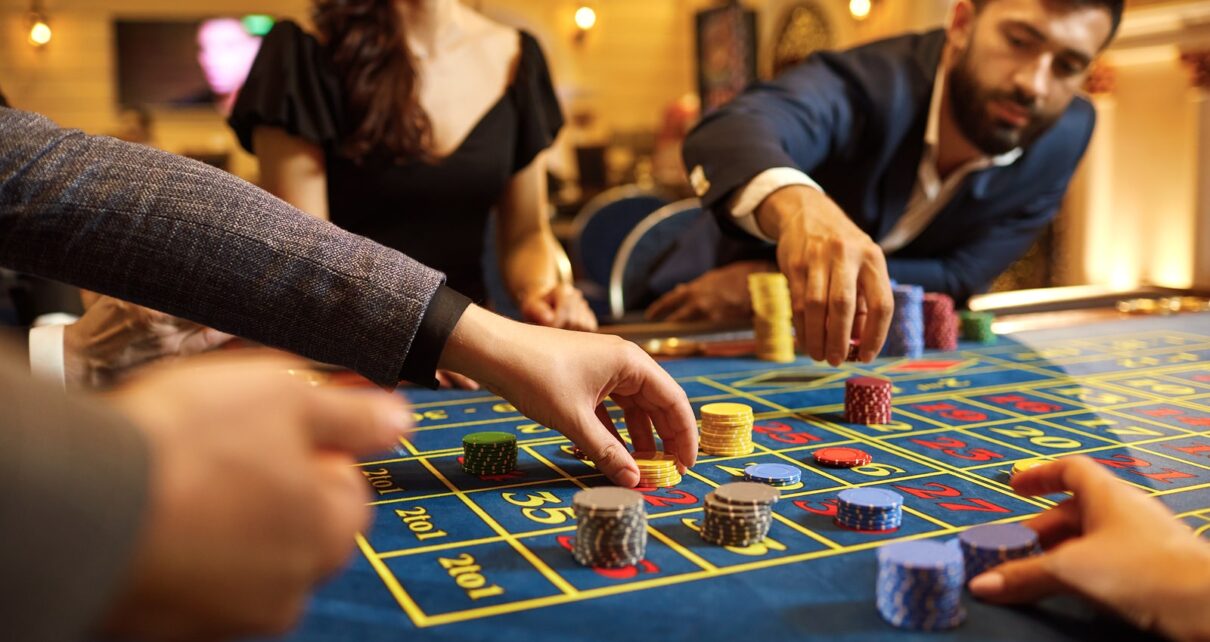
Community gambling refers to a collective activity where individuals engage in games of chance together, often in local settings like bars, community centers, or online platforms. This social aspect is crucial, as it transforms gambling from a solitary endeavor into a shared experience, fostering connections among participants. In fact, exploring options like brand new casinos can further enhance these interactions. The atmosphere can range from casual gatherings to organized events, highlighting the communal spirit of this activity.

As participants come together, they often share stories and strategies, creating a rich tapestry of social interaction. This camaraderie can enhance the enjoyment of the gambling experience, making it less about the financial stakes and more about the relationships built during the games. However, this social dynamic can also mask potential issues related to gambling behavior, leading to a complex interplay between enjoyment and risk.
Who Wins in Community Gambling?
In community gambling, the “winners” are not solely defined by financial gain. The sense of belonging and the social connections formed during these activities can be seen as victories in themselves. Participants often leave with more than just the outcome of the games; they take with them laughter, friendship, and shared memories. This social reinforcement can contribute to a positive community atmosphere, where individuals feel supported and engaged.
Furthermore, for local businesses that host these gambling events, the winners can include the establishments themselves. Increased foot traffic leads to higher sales, benefiting the local economy and fostering a sense of community pride. Therefore, the winners of community gambling extend beyond individual players to encompass the entire community ecosystem, reinforcing the importance of social dynamics.
Who Loses in Community Gambling?
While there are many benefits to community gambling, it also carries risks for certain individuals. Problem gambling can emerge when players become overly invested, leading to financial losses and personal struggles. These issues can disrupt not only the individual’s life but also the social fabric of the community, creating a ripple effect that affects families and friends.
Moreover, some participants may feel pressured to engage in gambling to maintain social connections, leading to feelings of obligation rather than enjoyment. This coercive aspect can detract from the overall positive experience of community gambling, resulting in emotional distress for those who may be struggling with their gambling habits. Recognizing these potential downsides is crucial for fostering a healthy gambling environment.
The Impact of Regulations on Community Gambling
Regulations play a significant role in shaping the landscape of community gambling. Local laws can dictate where and how gambling activities occur, influencing the accessibility of these experiences for community members. Stringent regulations might limit the types of games available or impose age restrictions, which can affect community participation and the overall social dynamic.
Conversely, well-structured regulations can promote responsible gambling practices, providing resources for those in need and ensuring that community events remain safe and enjoyable. By fostering a balance between accessibility and responsibility, communities can create an environment that enhances social connections while minimizing the risks associated with gambling.

Learn More About Community Gambling Dynamics
For those interested in exploring the nuances of community gambling further, resources are available that delve into its social dynamics and implications. Understanding the balance between enjoyment and risk is crucial for participants and organizers alike. Engaging with educational materials can help foster a more informed and responsible gambling community.
Ultimately, community gambling serves as a microcosm of broader societal interactions, blending enjoyment, risk, and relationship-building. By recognizing both the winners and losers in this dynamic, communities can work towards creating a healthier gambling culture that prioritizes well-being and social connection.