
Exploring the fascinating history of gambling through the ages
The Origins of Gambling
The practice of gambling can be traced back thousands of years, making it one of the oldest forms of entertainment known to humanity. Archaeological evidence suggests that ancient civilizations, such as the Chinese and Egyptians, engaged in gambling activities, utilizing simple gaming pieces and dice made from materials like bones and wood. These early games were often tied to rituals or social events, highlighting the cultural significance of gambling in community life. Today, as you look for reliable betting sites, understanding this history can enhance your appreciation for the modern landscape.

The earliest recorded references to gambling can be found in texts dating back to around 2,300 BC in China, where games of chance and betting were commonplace. The use of dice is also evident in ancient Mesopotamia, indicating that gambling has evolved alongside human society throughout history. As trade routes expanded, so did the practice, leading to the development of more structured forms of gambling.
The Rise of Organized Gambling
As civilizations advanced, so did the complexity of gambling. The ancient Romans and Greeks are credited with establishing more organized forms of betting, creating the foundations for modern gambling institutions. In ancient Rome, chariot races and gladiatorial contests attracted vast audiences who placed bets on the outcomes, leading to the emergence of betting as a significant aspect of public entertainment.
During the Middle Ages, gambling continued to flourish, particularly in Europe. The introduction of playing cards in the 14th century marked a turning point, as card games became immensely popular among nobility and commoners alike. The establishment of gambling houses and the regulation of betting practices laid the groundwork for the modern gambling industry.
The Impact of Legislation and Social Change
As gambling grew in popularity, so did concerns regarding its potential negative impacts. By the 17th and 18th centuries, various governments began implementing regulations to control gambling, often due to fears of corruption and moral decay. In England, the Gaming Act of 1845 sought to regulate gambling establishments, reflecting the ongoing tension between public interest and personal freedom.
The 20th century saw significant shifts in gambling laws, particularly with the rise of casinos and state-sponsored lotteries. In the United States, the repeal of Prohibition in the 1930s allowed for the reopening of casinos, leading to a boom in gambling culture, especially in places like Las Vegas. This era also witnessed the emergence of online gambling, which has transformed how people engage with betting today.
The Modern Gambling Landscape
Today, gambling encompasses a wide range of activities, from traditional casinos to online betting platforms. The advent of technology has revolutionized the industry, making it more accessible than ever. Online casinos and sports betting sites allow players to engage in gambling from the comfort of their homes, catering to a global audience.
Moreover, contemporary attitudes towards gambling have shifted significantly. In many regions, it is seen as a legitimate form of entertainment, leading to increased regulation and efforts to promote responsible gambling practices. This evolution reflects broader societal changes and the ongoing dialogue about the balance between enjoyment and risk.
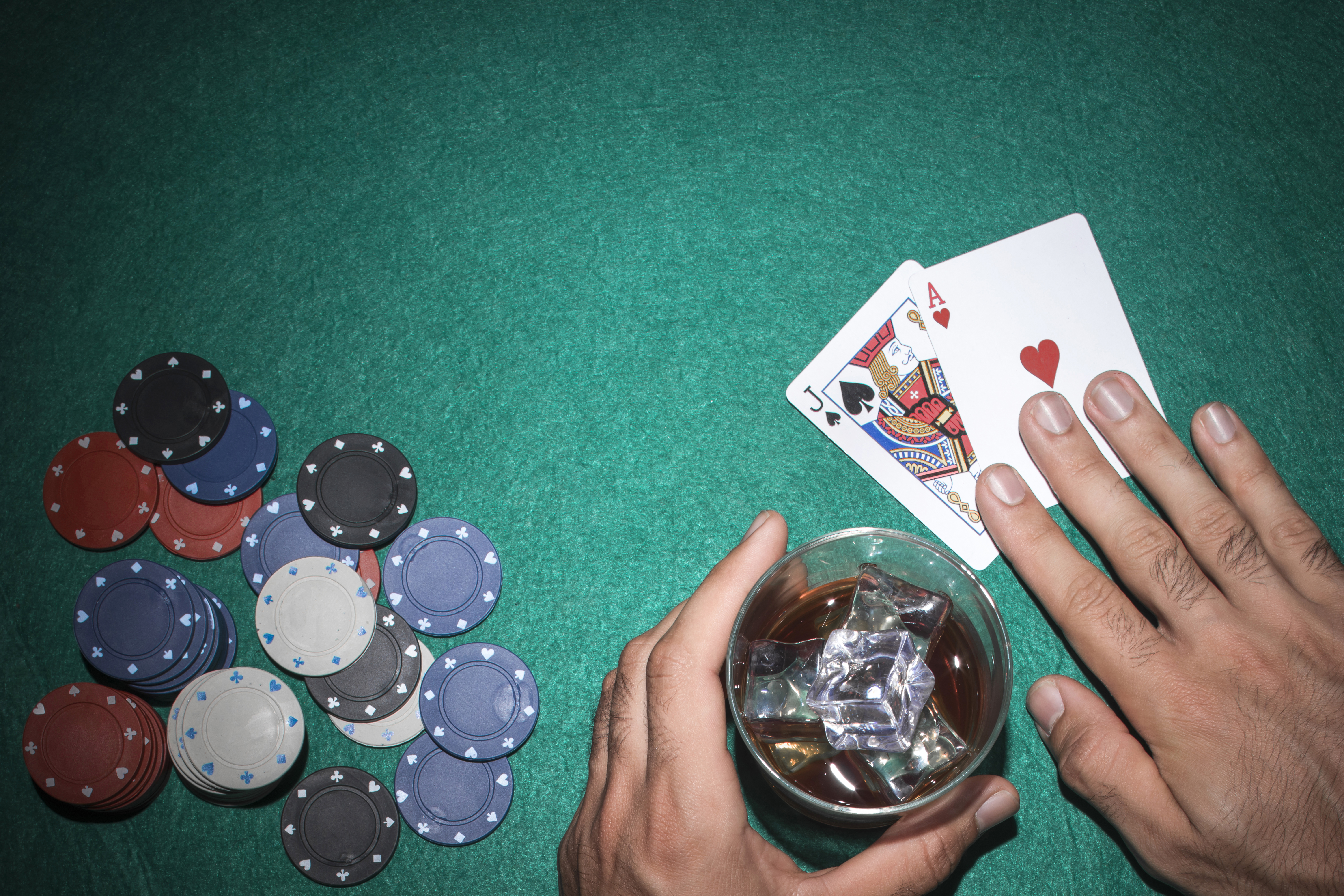
Your Gateway to Understanding Gambling
As you explore the fascinating history of gambling, it’s essential to have a reliable source of information at your fingertips. Our website aims to provide comprehensive insights into the world of gambling, from its rich history to current trends and developments. Whether you’re a novice or a seasoned gambler, our resources are designed to enhance your understanding and enjoyment of the gambling experience.
Through detailed analyses, expert opinions, and the latest news in the gambling realm, we equip you with the knowledge needed to make informed decisions. Join us on this journey through time and discover how gambling has shaped societies and continues to evolve in the modern age.